Learn Electronics Step by Step
Learn electronics step by step — from the basic fundamentals to more advanced concepts. Start with voltage, current, resistance, components, circuits, and measurement techniques. Then move into sensors, microcontrollers, circuit design, troubleshooting, and practical applications.
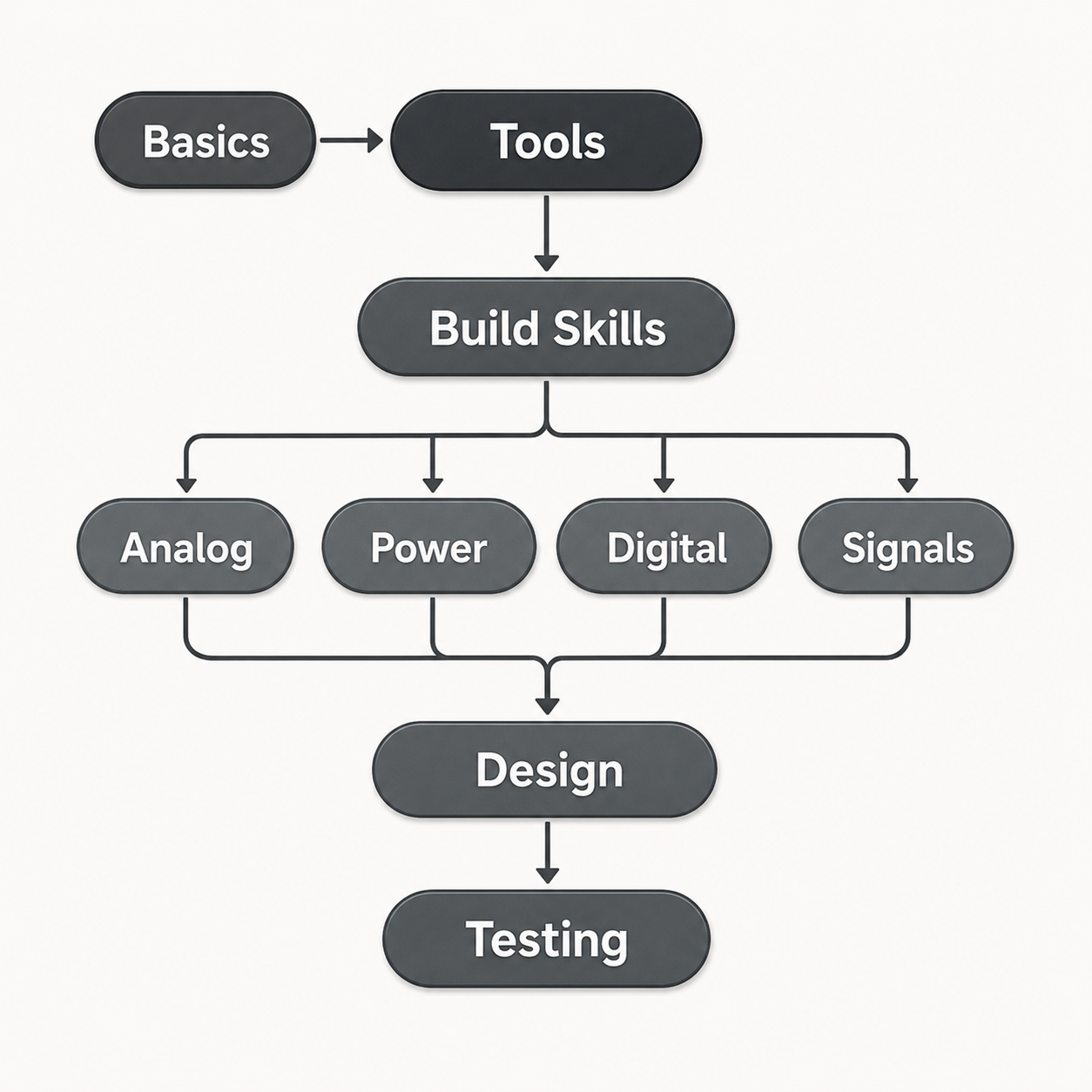
Learning path
Follow the course in order or jump directly to the topic you need for your current project.
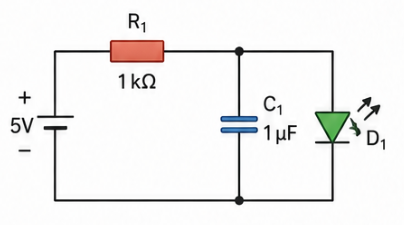
Electronics Basics
Learn voltage, current, resistance, power, component symbols, and first circuit behavior.
Open Lesson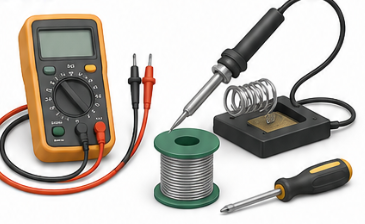
Electronics Lab Tools
Learn how to use a multimeter, oscilloscope, bench supply, and basic measurement workflows.
Open Lesson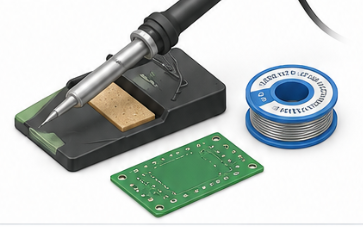
Practical Electronics Build Skills
Learn breadboarding, soldering, wiring, connectors, and practical assembly decisions.
Open Lesson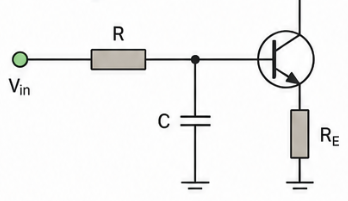
Analog Building Blocks
Learn voltage dividers, filters, capacitors, diodes, transistors, MOSFETs, sensors, and op-amp basics.
Open Lesson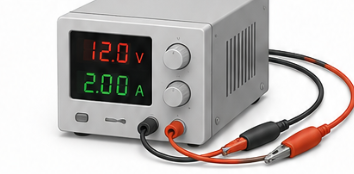
Power Basics For Electronics
Learn power supplies, current budget, regulation, power loss, grounding, and safety margins.
Open Lesson
Digital & Embedded Systems
Learn GPIO, PWM, ADC, microcontrollers, timing, state machines, and embedded project structure.
Open Lesson
Signals and Communication
Learn logic levels, UART, I2C, SPI, pull-ups, timing, common ground, and signal debugging.
Open Lesson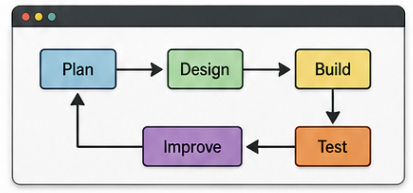
Electronics Design Workflow
Learn how to go from idea to prototype, schematic, PCB, enclosure, testing, and documentation.
Open Lesson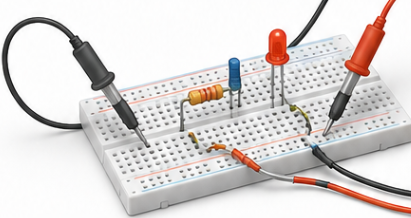
Testing And Reliability For Electronics
Learn bring-up checks, fault isolation, stress testing, long-term validation, and reliability improvements.
Open LessonHow the learning section is structured
Foundation
- Electronics Basics
- Electronics Lab Tools
- Practical Electronics Build Skills
Circuit knowledge
- Analog Building Blocks
- Power Basics For Electronics
- Digital & Embedded Systems
Project workflow
- Signals and Communication
- Electronics Design Workflow
- Testing And Reliability For Electronics
Final goal
The goal of this learning area is to make electronics easier to understand through practical examples, real build decisions, and clear troubleshooting workflows.